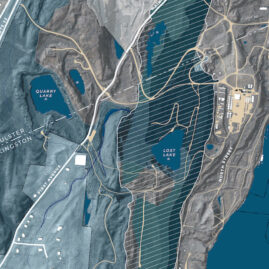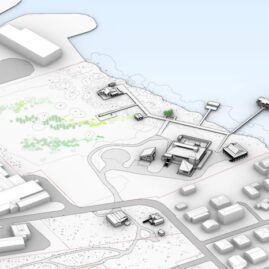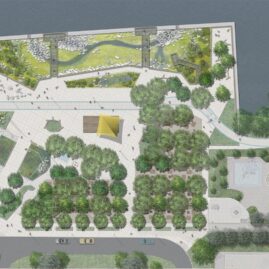
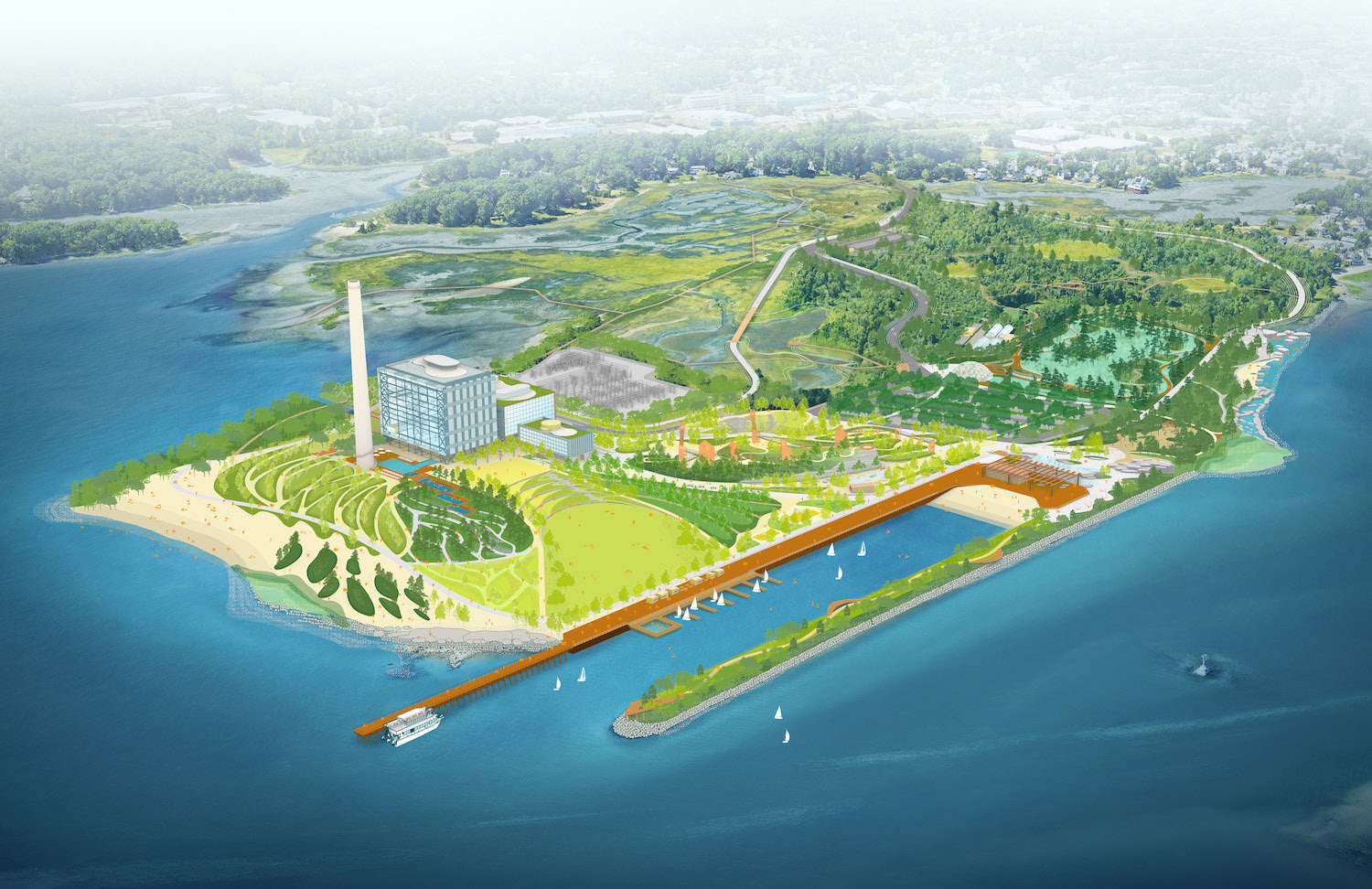
Norwalk, Connecticut: EDD is leading the Natural Resources design for the masterplan of Manresa Island, a 150-acre property along Connecticut’s Long Island Sound shoreline, previously utilized as the site of an industrial power plant.
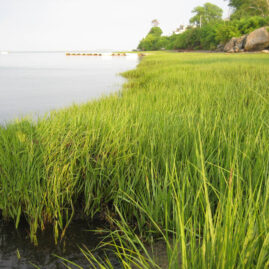
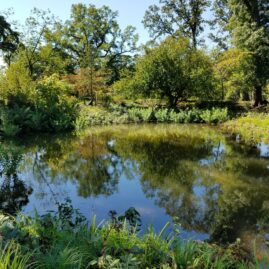
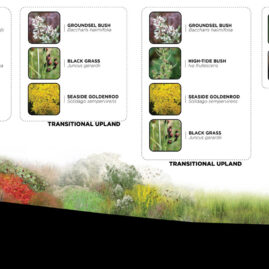
EDD’s approach to the ecological masterplan focuses on preservation, enhancement, and restoration of the salt marsh, terrestrial forests, and shoreline habitats at Manresa. The eDesign team performed detailed existing conditions and habitat surveys to inform the organization of existing habitat typologies and design approaches focused on maximizing ecosystem services.
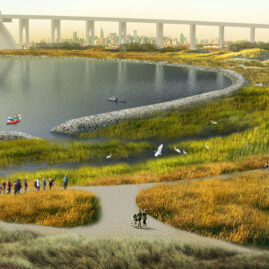
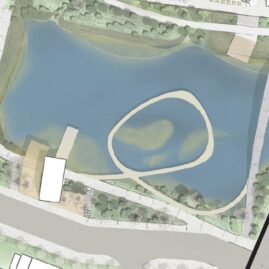
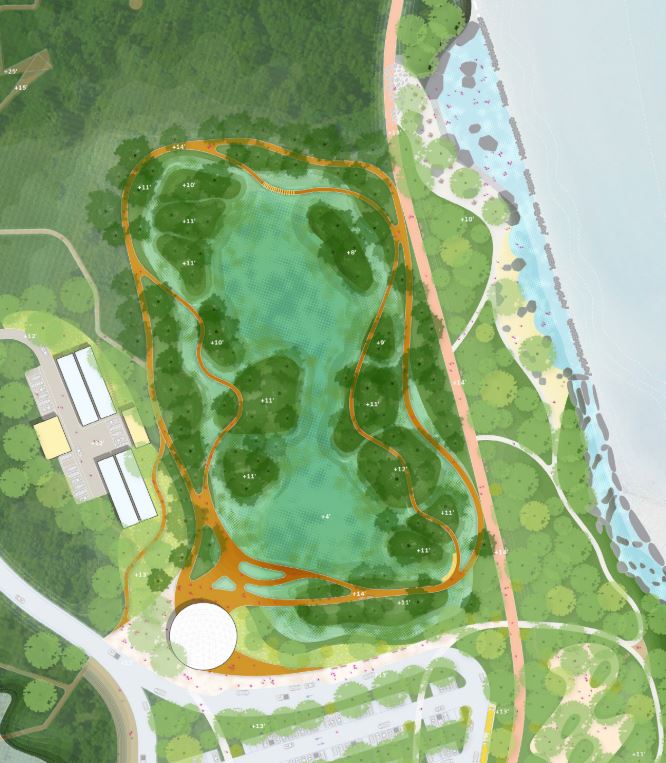
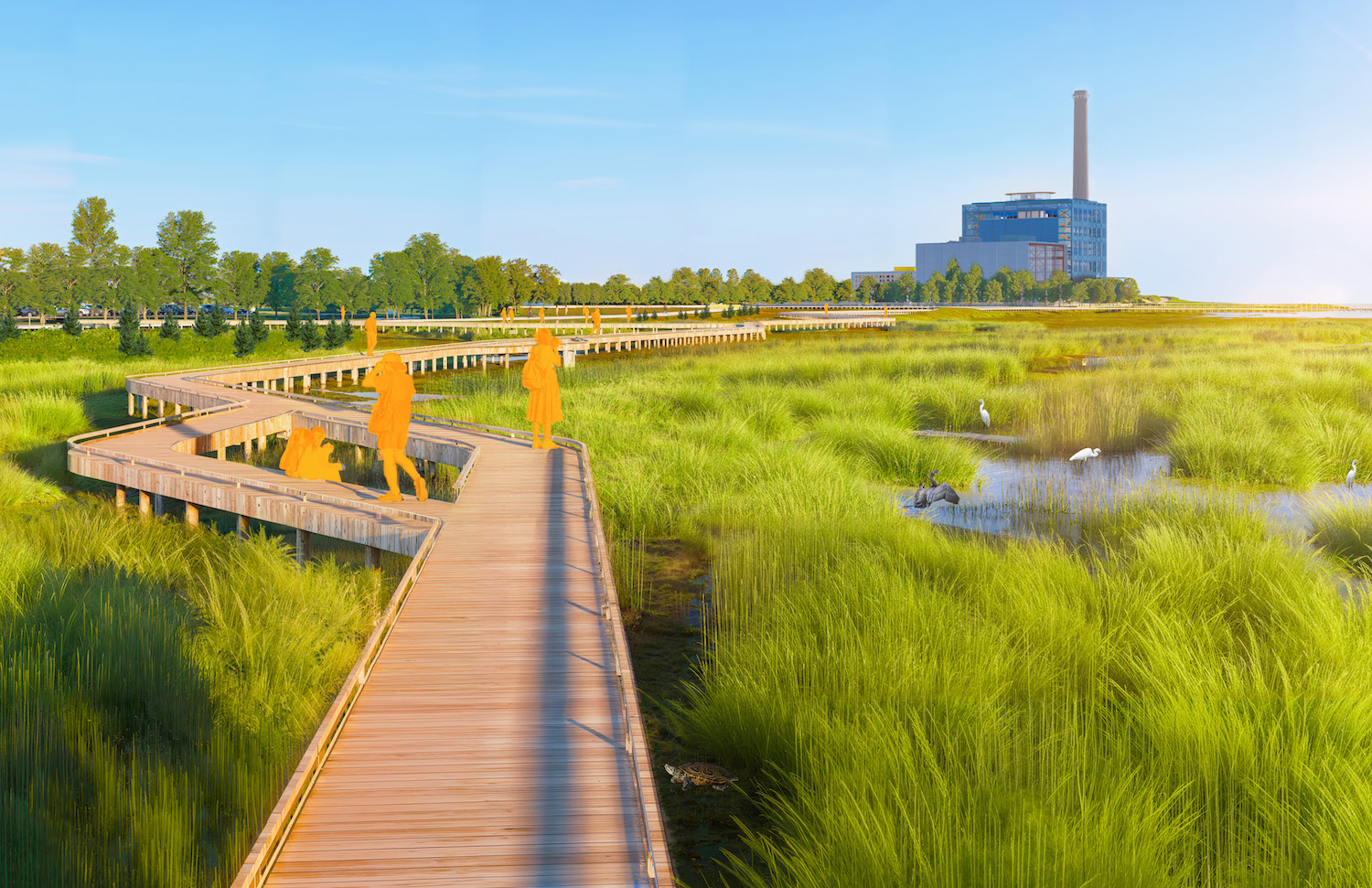
The proposed ecological masterplan includes hydrologically connecting five isolated wetlands to expand the contiguous area and habitat value of an existing salt marsh complex. eDesign is also proposing to address habitat loss due to erosional forces and sea level rise within the existing marsh. The marsh area is being proposed as a research hub for thin layer sediment augmentation experimentation in partnership with CT DEEP. EDD is also proposing the creation of an Atlantic white cedar swamp in the remnants of an industrial dredge spoil pit.
Our team is also working with project partner AKRF to develop alternative bio and phyto-remediation strategies to test in the existing forest, contaminated from years of industrial fly-ash deposits. EDD has additionally outlined a toolkit of restoration approaches for this area to augment forest biodiversity, minimize invasive species prevalence, and allow for discreet patron recreational use while minimizing adverse impacts to forest habitat and fauna species.View of proposed saltmarsh complex restoration with boardwalk system. (image by SCAPE Landscape Architecture).
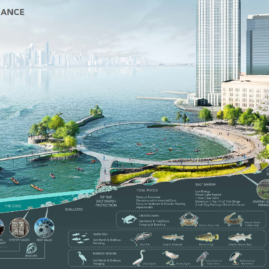
EDD’s design interventions and restoration strategies seek to bolster vital habitat for key regional migratory bird and intertidal species while creating opportunities to strengthen community stewardship of essential saltmarsh habitat. These efforts will also provide new partnerships within the scientific community to study methods for habitat resiliency to sea level rise and climate change, such as sediment augmentation of low and high marsh zones.
Click above to see full images with captions.