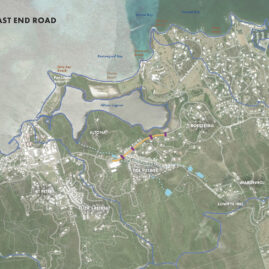
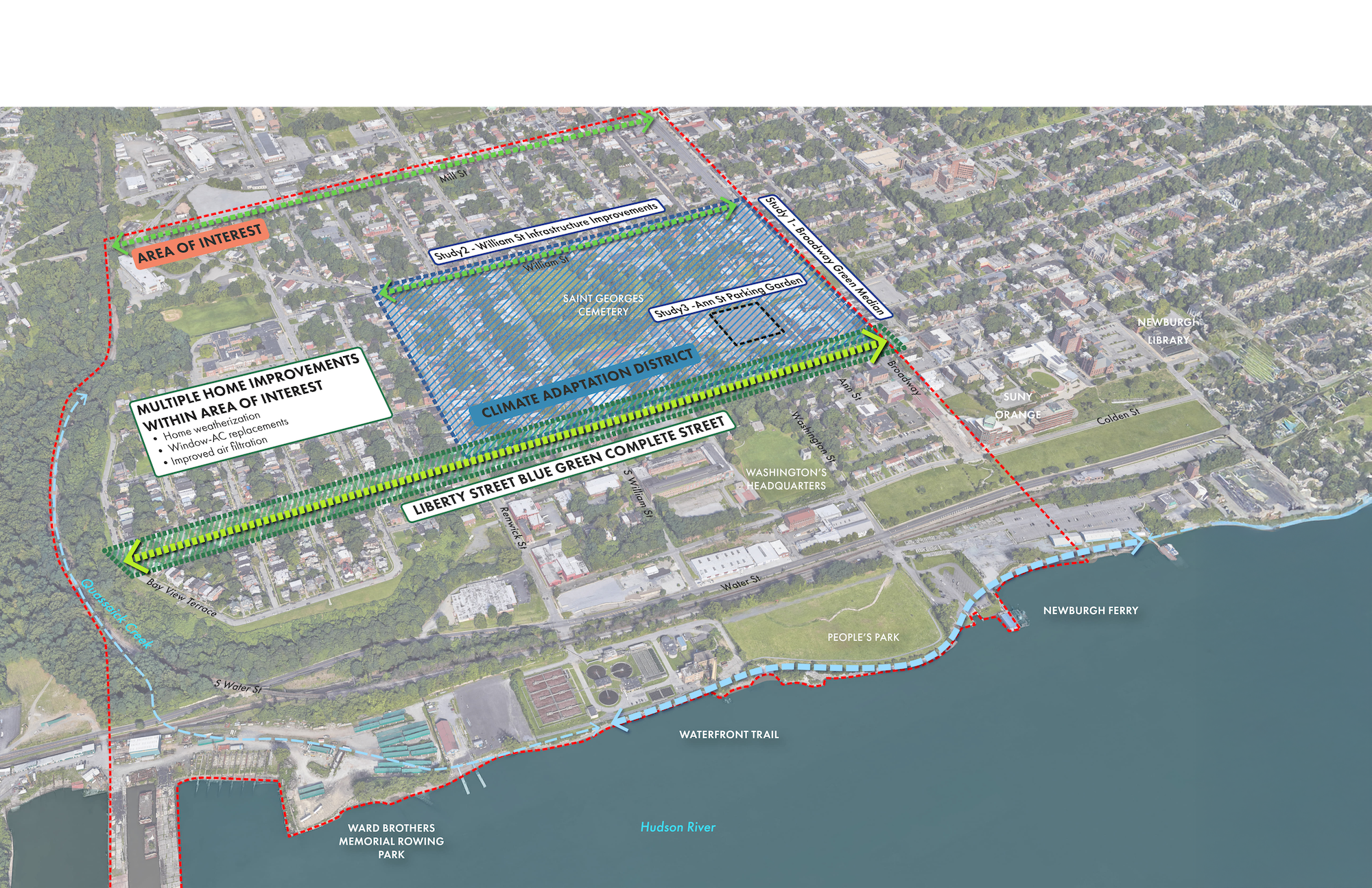
Newburgh, New York: EDD served as the water resources engineering advisor alongside a multidisciplinary team with urban planners and architects for the preparation of the EPA Community Change Grant application for the City of Newburgh Department of Planning & Development. The plan focused on addressing climate resilience and environmental justice issues in Newburgh, a predominantly low-income community disproportionately affected by flooding and extreme heat. Increasing storm intensity and terrain-driven runoff amplify risk to the City’s water, wastewater, and utility systems, risks that have already led to severe impacts in neighboring communities.
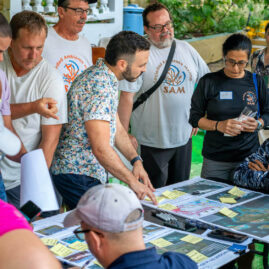
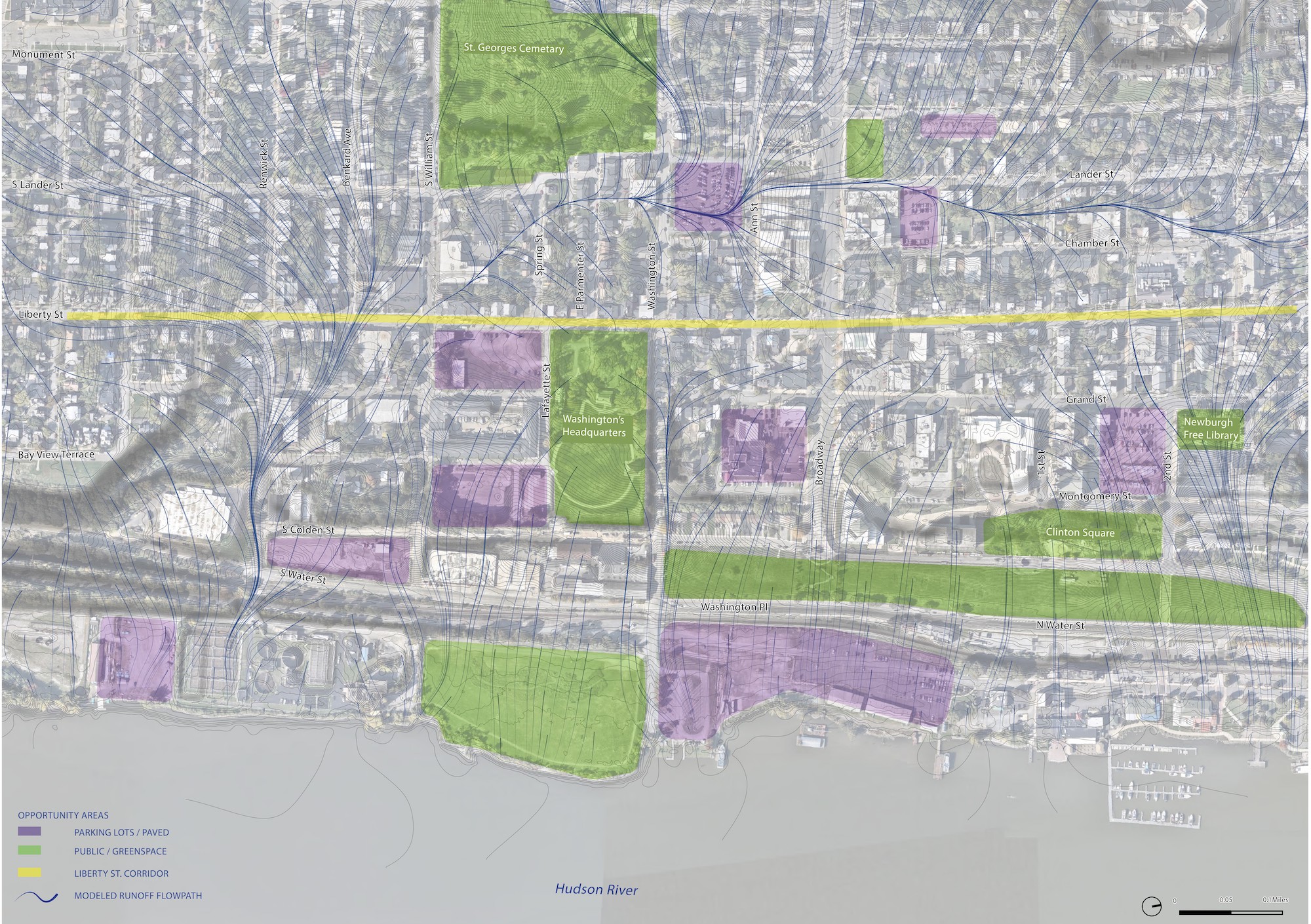
EDD’s role focused on technical advising in hydrology, stormwater management, and green infrastructure. EDD conducted large-scale and site-scale hydrology assessments to inform the planning and design of green infrastructure (GI) practices. EDD also facilitated community engagement charrettes with local organizations, ensuring that technical recommendations were shaped by community priorities to balance ecological performance with neighborhood needs.
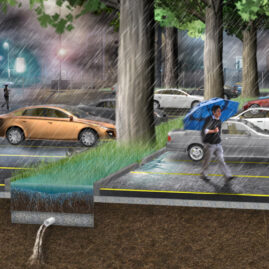
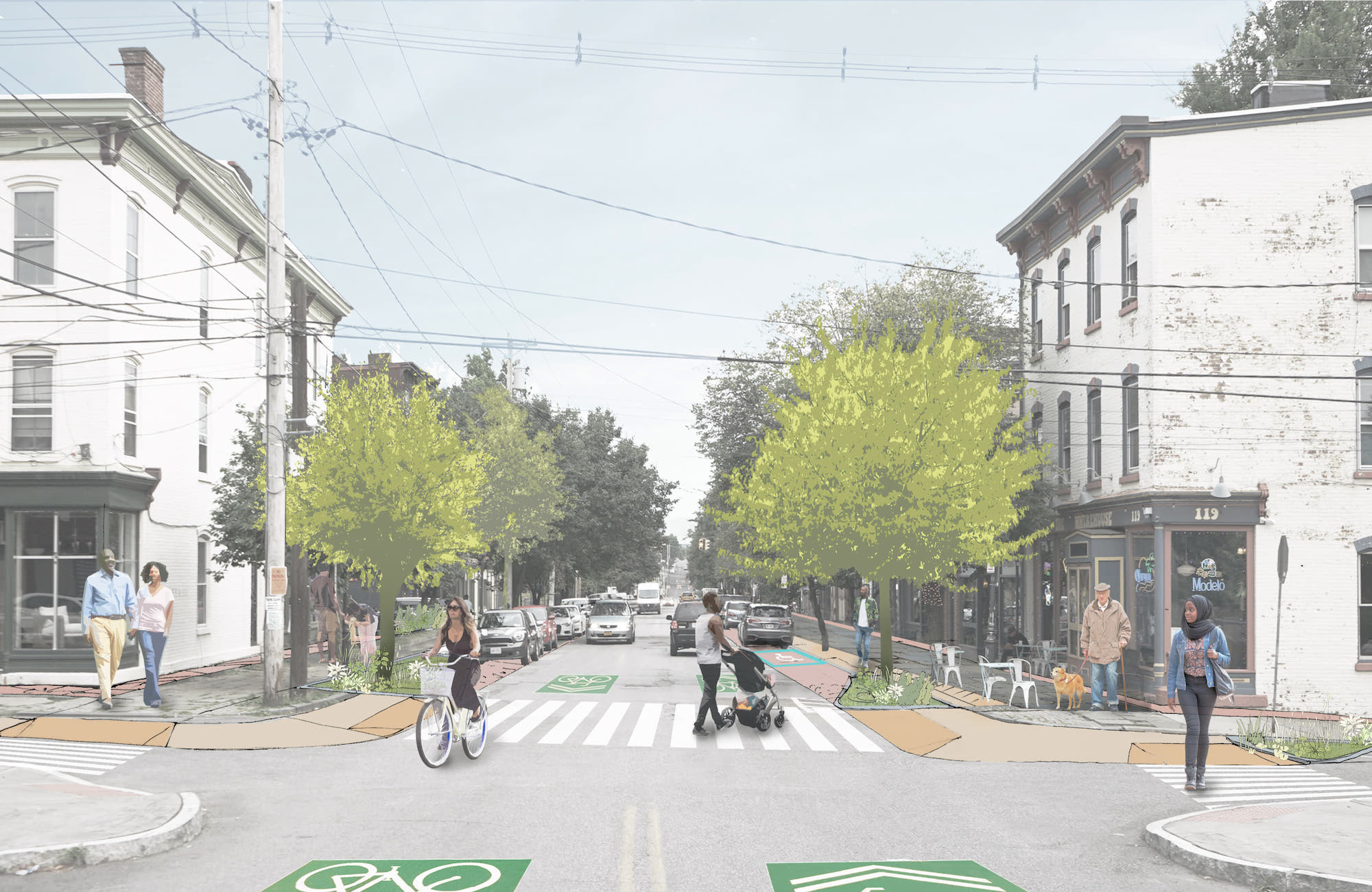
The proposal identified stormwater strategies across residential, street, and parcel scales. Residential measures included rain gardens, porous driveways, downspout planters, and rain barrels. Street-scale strategies included bioswales, planted curb bump-outs, permeable pavement, and connected tree beds. Parcel-scale approaches featured bioretention ponds, stormwater wetlands, blue roofs, and green roofs. Together, these nature-based solutions (NBS) reduce flooding and combined sewer overflows into the Hudson River, while expanding equitable access to the waterfront.
EDD also led the cost estimating and developed estimates for quantifying climate reduction strategies, such as gallons of stormwater reduced through GI and tons of carbon sequestered through NBS. These efforts culminated in a strategic urban design framework to guide climate adaptation and deliver a resilient, community-centered waterfront.
Click above to see full images with captions.
CLIENTS AND PARTNERS
City of Newburgh – Department of Planning & Development
—
Climate Resilience Consulting
Climate Adaptation Partners
ONE Architecture & Urbanism
Sam Schwartz Engineering
Quassaick Creek Watershed Alliance